European Data Protection Day, we tell you how to protect yours
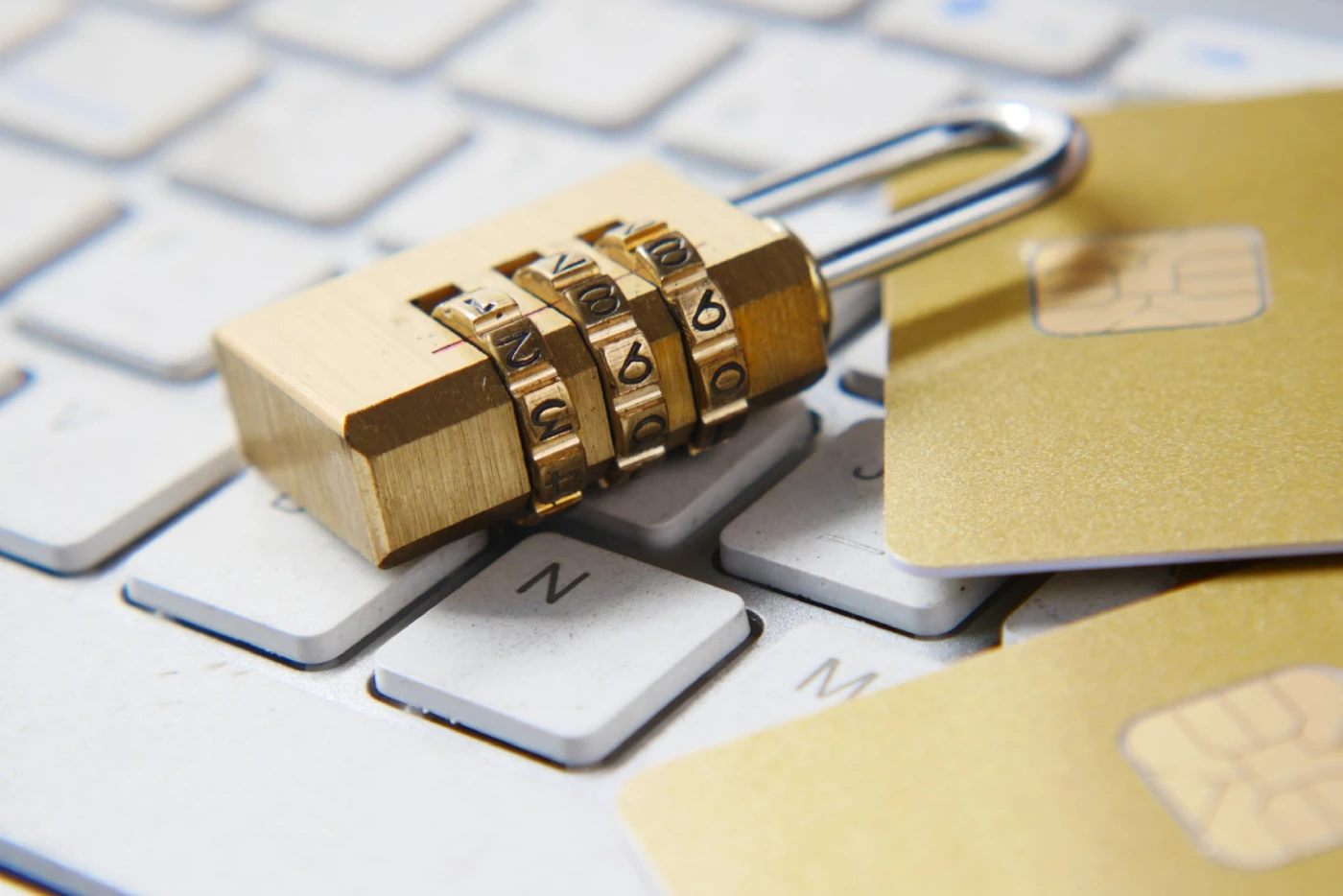
As you know, today, January 28th is European Data Protection Day, a very important date since in recent years cybercrime has focused its activity on data theft.
Currently, the main business of criminals on the internet is obtaining personal data and payment credentials, such as card numbers and online banking access codes. For this reason, at BOTECH we always emphasize the importance of raising awareness, both among individuals and companies, about the need to protect them and achieve maximum security.
Did you know that…
Data protection has become essential since data is now the new target of cyberattacks—something that is not surprising when we consider that Spain currently has 87.5 million payment cards, reaching historical highs (more cards than inhabitants), and 54.1% of the population already prefers paying by card.
These card data are highly coveted, and cybercrime has two objectives with them:
There are different types of cyberattacks that it is very important to raise awareness about to reduce their current success rate. Among them, the most notable are:
And most importantly, remember: at the slightest doubt, don’t take risks and protect your data.
At this point, you should also know that there are different certification levels, since not all businesses process the same number of transactions. The most common is that new e-commerce businesses start with PCI DSS Level 4 Certification, as it is intended for organizations that process fewer than 20,000 online transactions per year.
The following levels are:
Ultimately, if you are considering launching an e-commerce store that accepts card payments, you will need to adapt your business to the requirements established by the PCI DSS standard, as only then will transactions be secure and you will offer confidence to your customers. If you need more information, do not hesitate to contact our specialists.